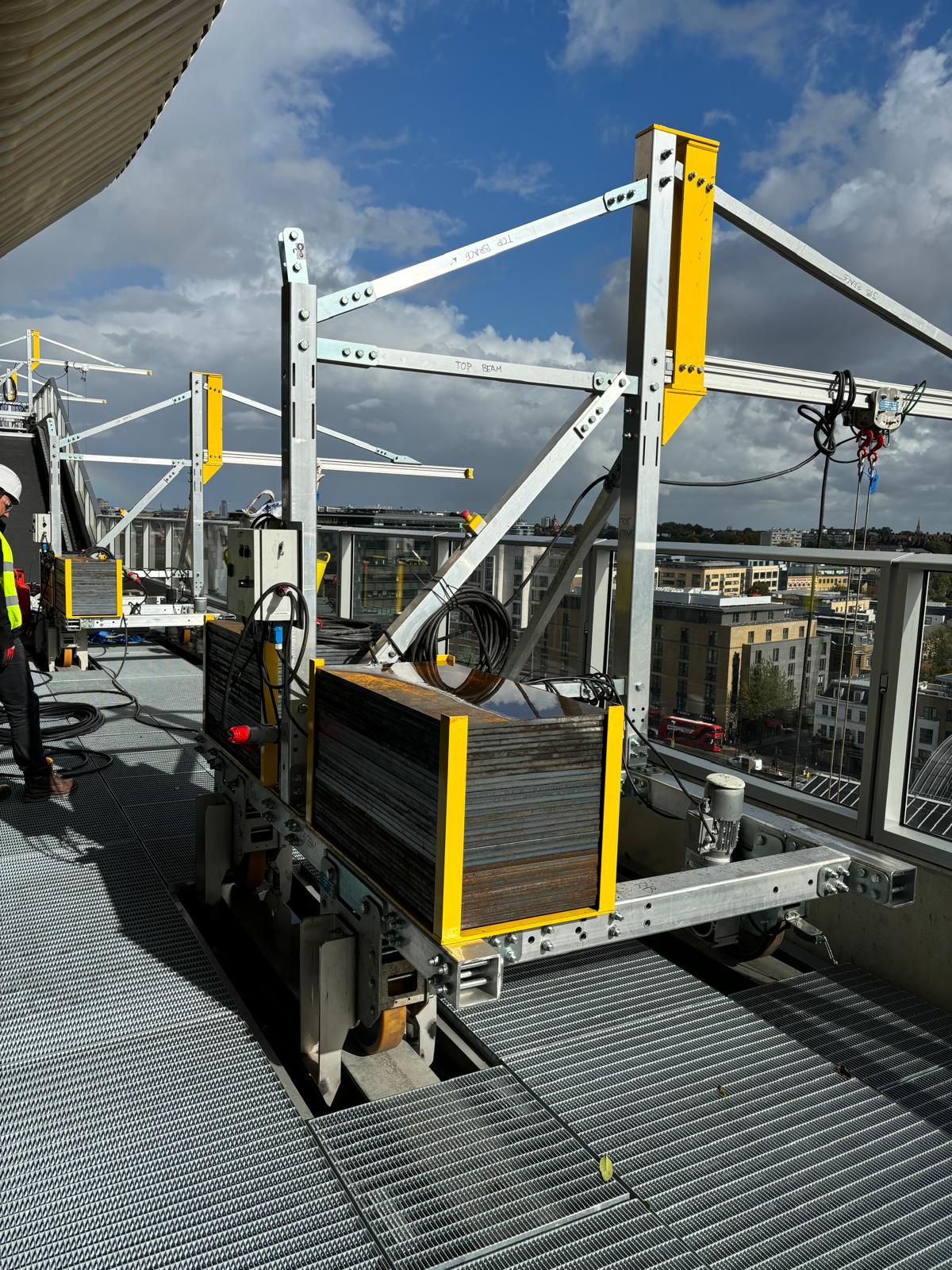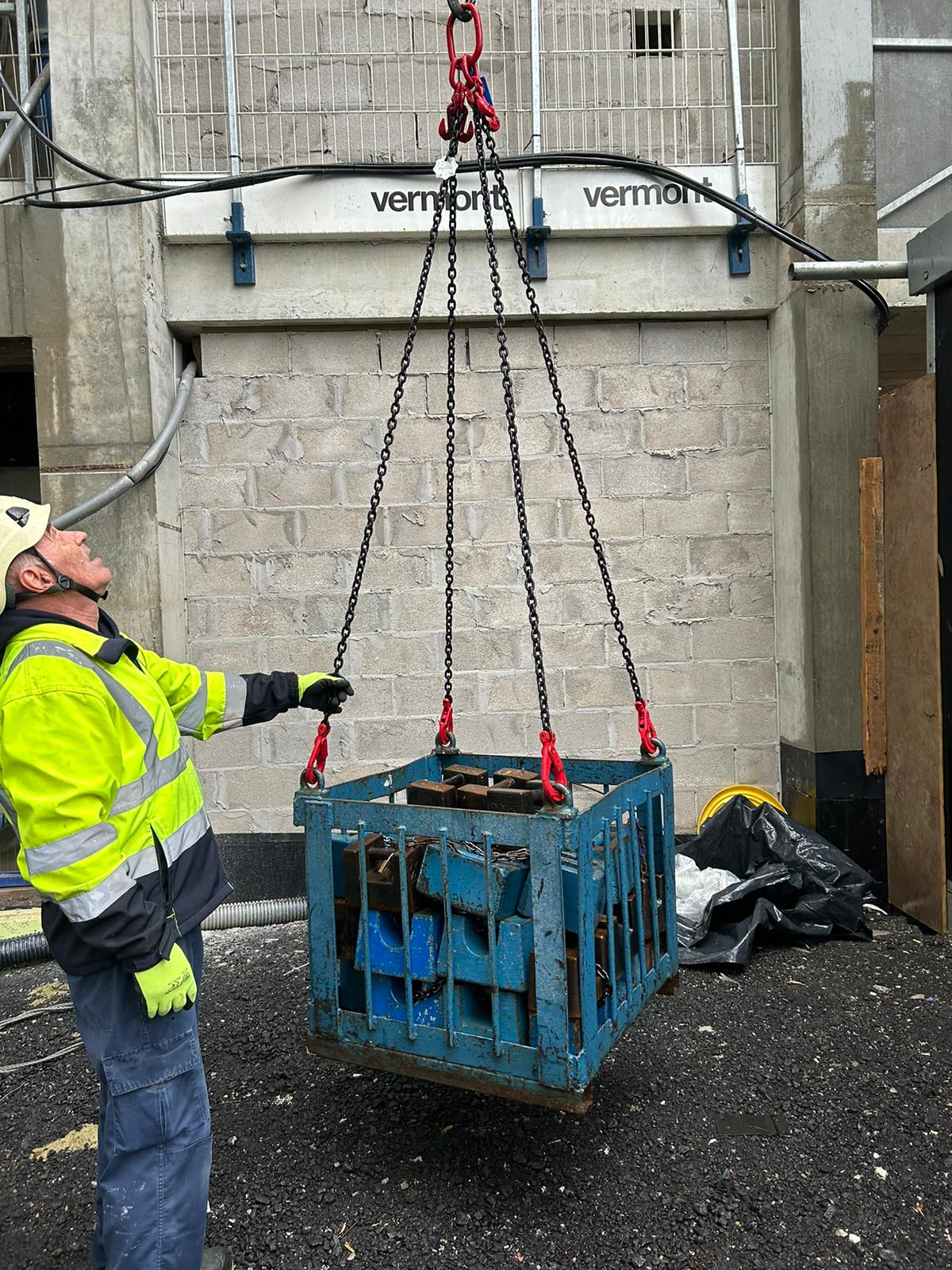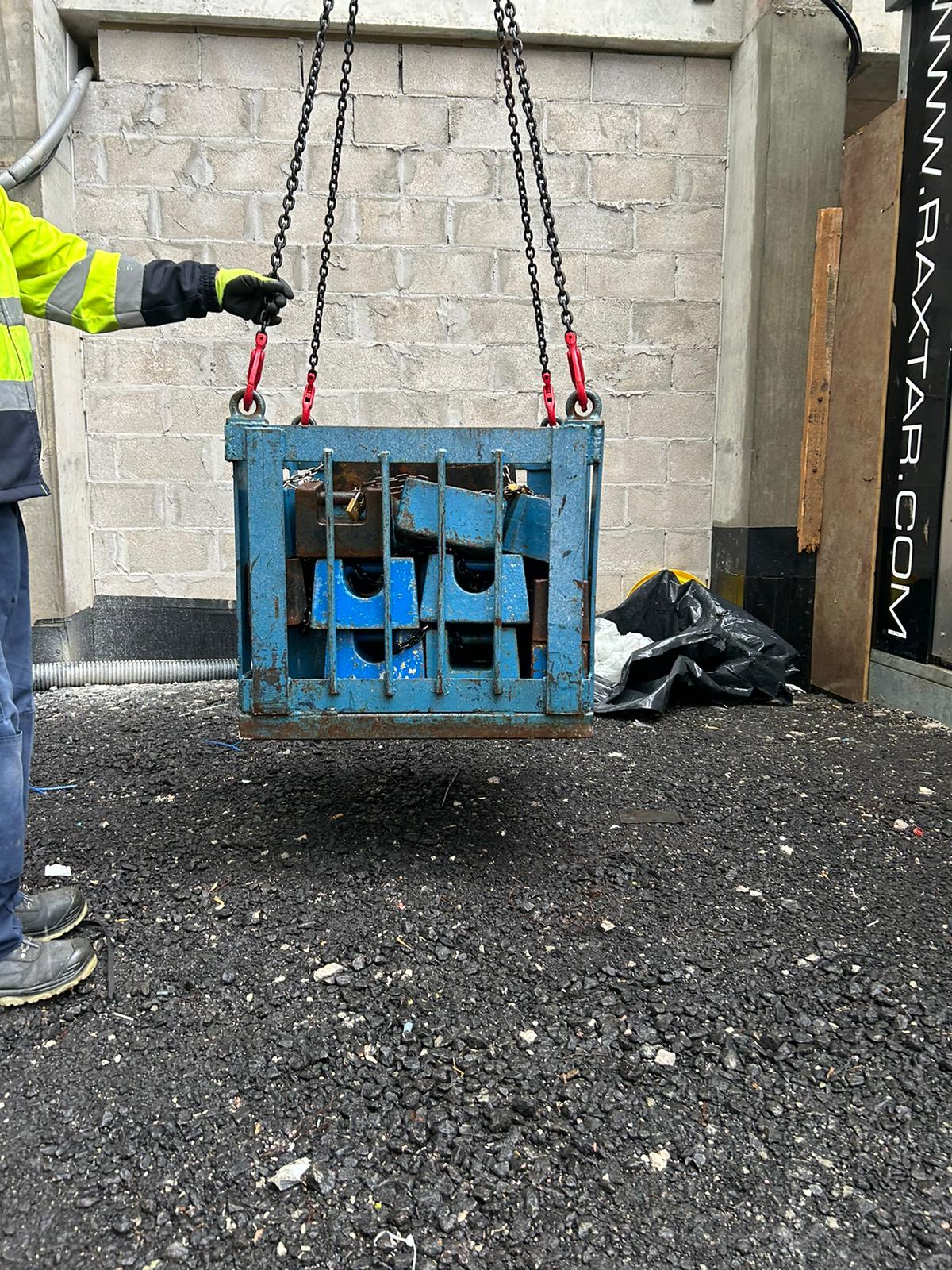
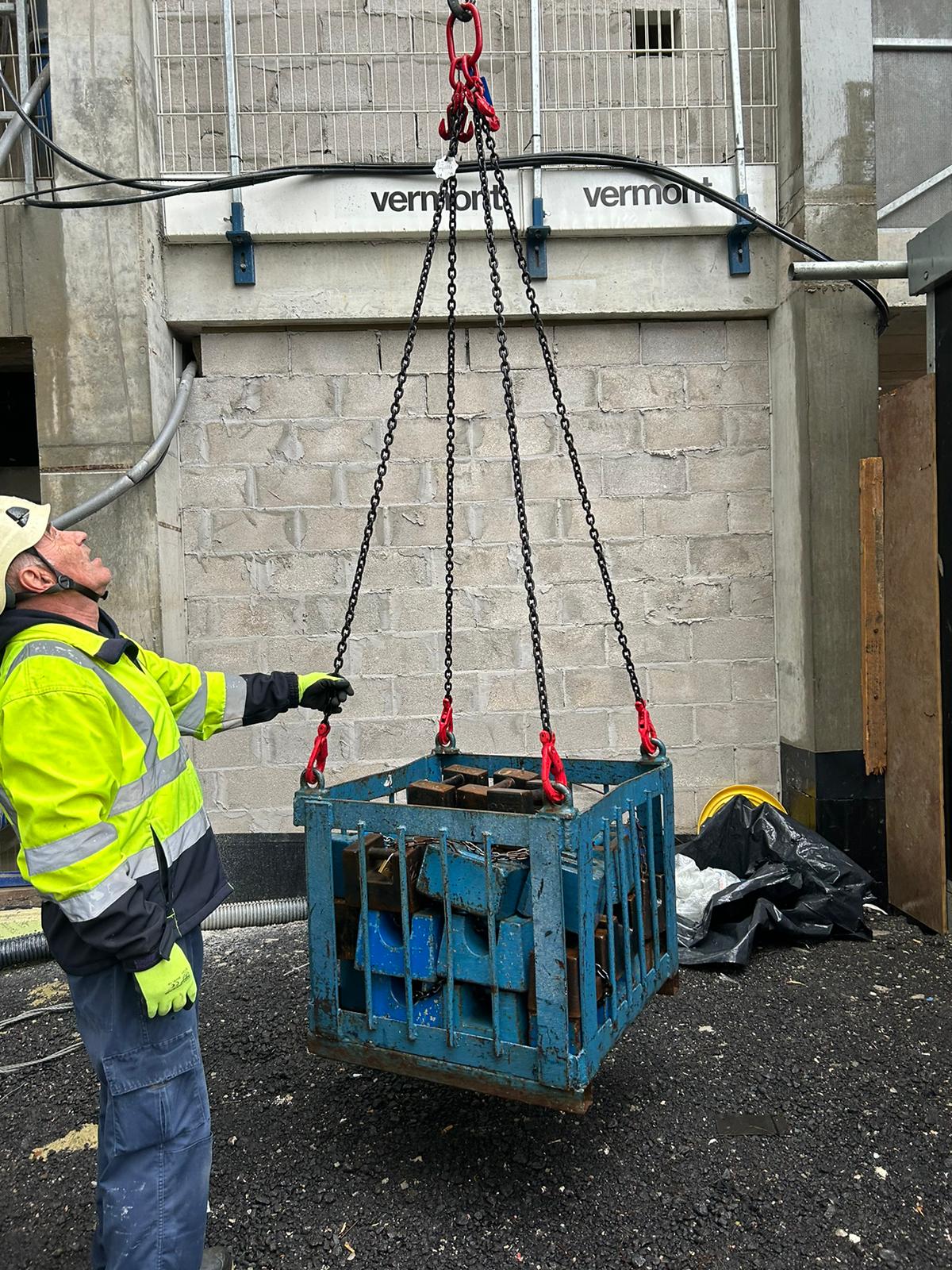
Weight testing, often referred to as a load test or proof load test, is an essential procedure for evaluating the safety and operational performance of lifting equipment. This process involves testing cranes, hoists, lifting rigs, and similar machinery with a specified weight to ensure they can safely handle the loads they are rated for under real-world conditions. Weight tests confirm that the equipment is in optimal working condition, adheres to safety standards, and operates reliably.
This guide explores the purpose, types, procedures, and benefits of weight testing to highlight its critical role in ensuring workplace safety and regulatory compliance.
Weight testing is primarily conducted to verify the operational capabilities, strength, and safety of lifting equipment. It provides a realistic assessment of how the equipment will perform under standard and extreme conditions. Below are the key purposes of a weight test:



Different types of weight tests are conducted to evaluate various aspects of lifting equipment performance.
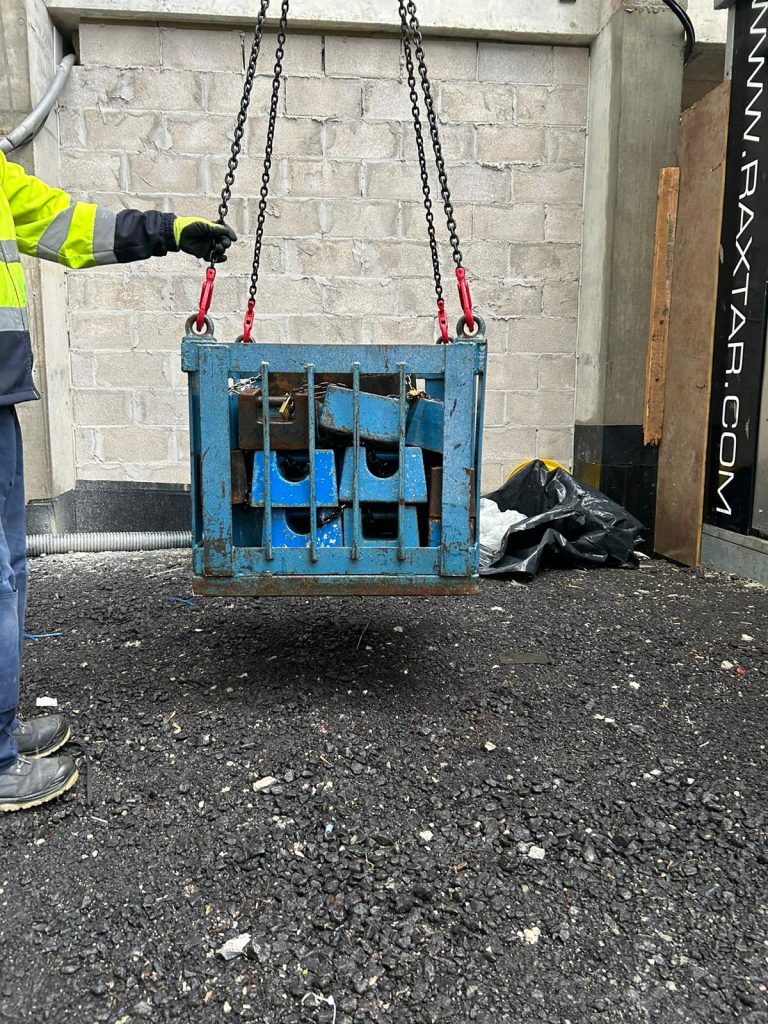
Before putting new equipment into service, conduct a weight test to verify its performance and compliance with design specifications.
Test equipment after significant maintenance, repairs, or component replacements, such as hoist motors or cables, to ensure safety and functionality.
Perform regular weight tests (annually or as per usage frequency) to maintain ongoing safety and compliance.
Conduct weight tests before handling critical or high-risk lifts to confirm the equipment’s readiness and reliability.
Confirms that the equipment can handle its rated loads without risk of failure, protecting workers and assets.
Meets industry standards and legal requirements (e.g., OSHA, ASME) for lifting equipment safety.
Identifies wear, structural weaknesses, or malfunctions early, preventing costly repairs or on-site accidents.
Regular weight tests help maintain equipment in peak condition, extending its operational life and reducing downtime.