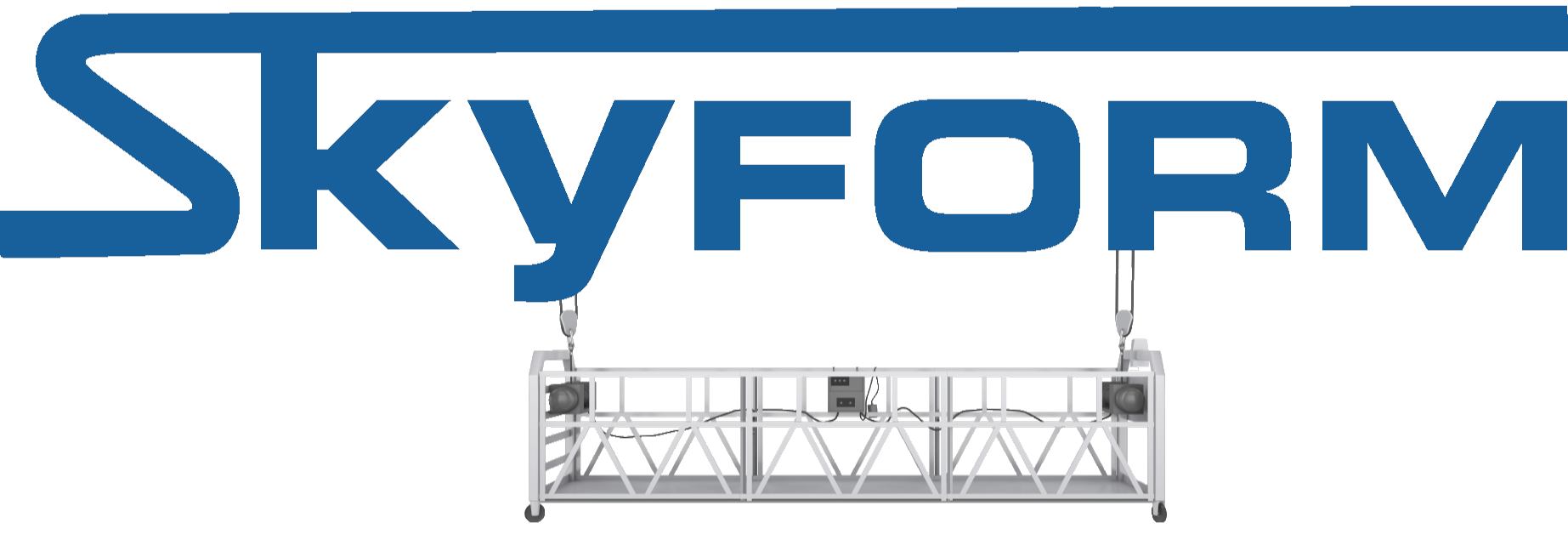

A lifting rig is an engineered system designed to facilitate the safe and efficient lifting, movement, and positioning of heavy loads, materials, or equipment. These systems are indispensable across numerous industries where handling substantial weights is a routine part of operations. Whether it’s a construction site, a manufacturing plant, or an offshore oil rig, lifting rigs play a critical role in ensuring that heavy lifting tasks are performed safely and efficiently.
In this article, we delve into the key components, applications, and safety considerations associated with lifting rigs, offering a comprehensive overview for anyone involved in heavy lifting operations.
A lifting rig is a sophisticated assembly of multiple components, each playing a vital role in its operation. The following are the primary components that make up a standard lifting rig:

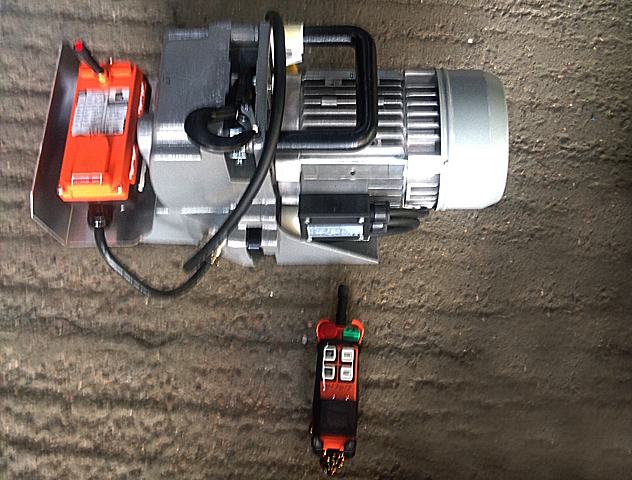
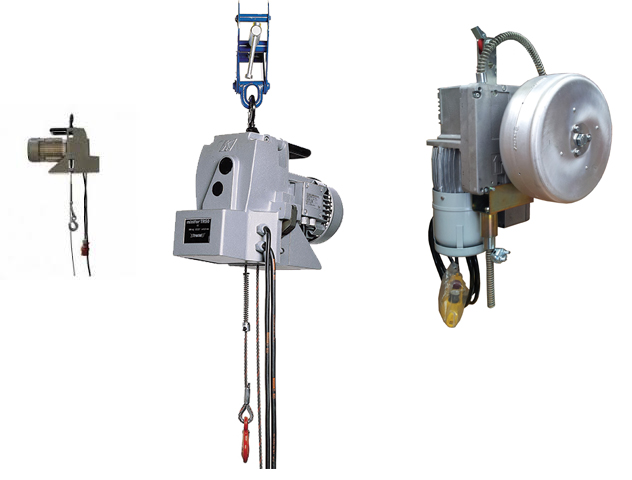
The hoist or winch is the central lifting device in a rig. It is responsible for raising and lowering the load, often powered by electric, hydraulic, or manual mechanisms. Electric hoists are commonly used for precise lifting tasks, while hydraulic hoists excel in handling heavier loads. Manual hoists are ideal for smaller tasks where power sources may not be readily available.

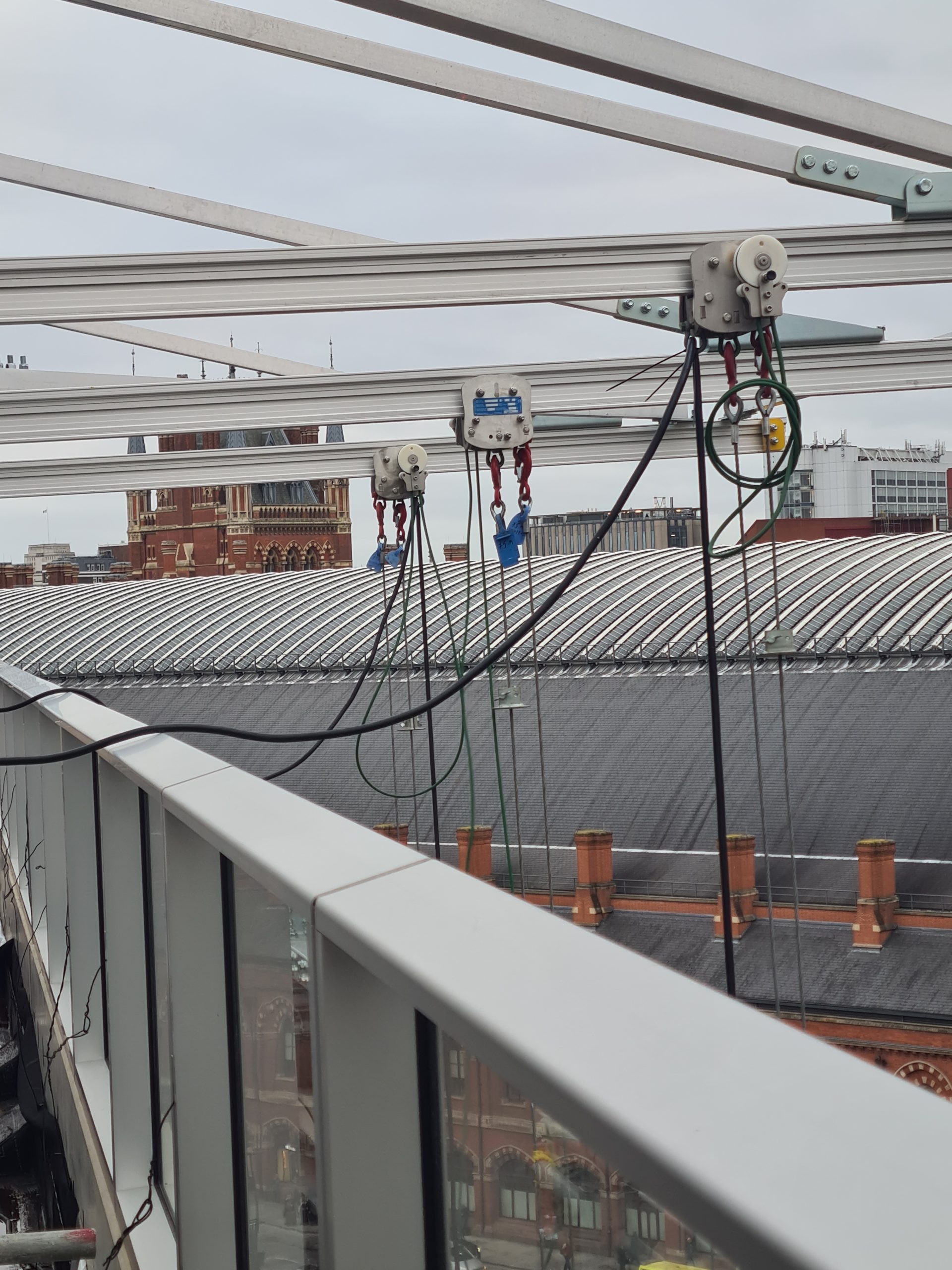
Pulleys serve two primary purposes: to change the direction of the lifting force and to provide a mechanical advantage, allowing heavier loads to be lifted with less effort. By distributing the force across multiple pulleys, these components increase the rig’s efficiency and reduce strain on other parts of the system.

These load-bearing elements connect the load to the lifting mechanism. Slings can be made from various materials, including steel chains, synthetic fibres, and wire ropes, each chosen based on the load’s weight and nature. Hooks, often equipped with safety latches, secure the load to prevent it from slipping during lifting.

Modern lifting rigs are equipped with advanced control systems to manage their operations. These systems often include overload sensors to prevent overexertion, emergency stop functions for rapid shutdown in case of danger, and remote controls for precision handling in complex environments.

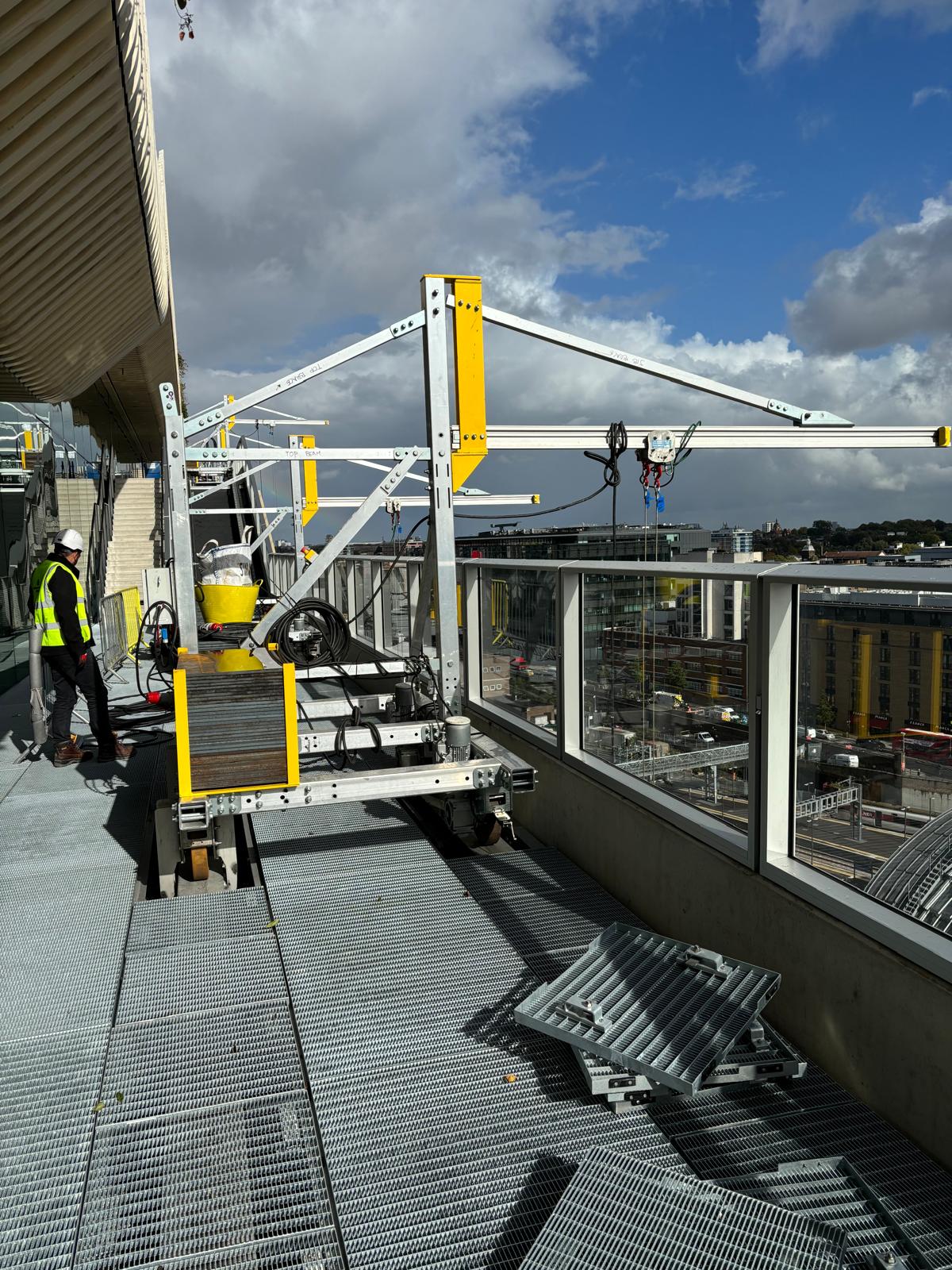
Supports and mounting points are structural elements that anchor or stabilise the rig. These may include towers, beams, or frames, designed to bear the weight and ensure stability during operations. Properly designed supports are critical for maintaining the safety and balance of the rig.

Lifting rigs are used in a variety of industries, each with unique requirements and challenges. Some of the most common applications include:
In the construction industry, lifting rigs are essential for handling large beams, concrete panels, steel frames, and other heavy materials. They enable efficient assembly of buildings, bridges, and other structures, often under challenging conditions.
Ports, warehouses, and logistics centres rely heavily on lifting rigs to load and unload cargo containers, machinery, and other goods. These rigs streamline operations, reducing downtime and ensuring the safe handling of valuable shipments.
In the oil and gas industry, lifting rigs are indispensable for moving heavy machinery and equipment on offshore platforms and oil rigs. They also play a crucial role in assembling and maintaining drilling rigs and other infrastructure.
Lifting rigs are commonly used in the mining sector to handle massive equipment, transport extracted materials, and support large-scale excavation projects. Their ability to operate in harsh environments makes them invaluable in this industry.
In the entertainment industry, lifting rigs are employed to set up stages, lighting, and props for events, concerts, and film productions. Their precision and reliability are critical in creating complex setups safely and efficiently.
In manufacturing facilities, lifting rigs are used to move heavy machinery and parts. Their role in improving efficiency and reducing manual labour is pivotal to maintaining high production standards.

It is essential to ensure that the lifting rig is designed to handle the specific weight of the load, with sufficient safety margins to prevent overloading. Exceeding the load capacity can result in equipment failure and accidents.
Safety is paramount when operating lifting rigs. Key features include overload protection systems, emergency stop mechanisms, and secure methods for attaching loads. Regular inspections and maintenance are also crucial to detect and rectify potential issues.
Proper balancing and positioning of the rig are critical to maintaining stability during lifting operations. Uneven loads or improperly secured components can cause tipping or collapse, posing significant risks to personnel and property.
Adherence to industry standards and regulations, such as those outlined by the Health and Safety Executive (HSE) in the UK, is essential. Compliance ensures that the rig meets safety and operational benchmarks, reducing the likelihood of accidents and legal liabilities.