Load Testing for Lifting Equipment

Hire and Load Testing

Introduction to Load Testing

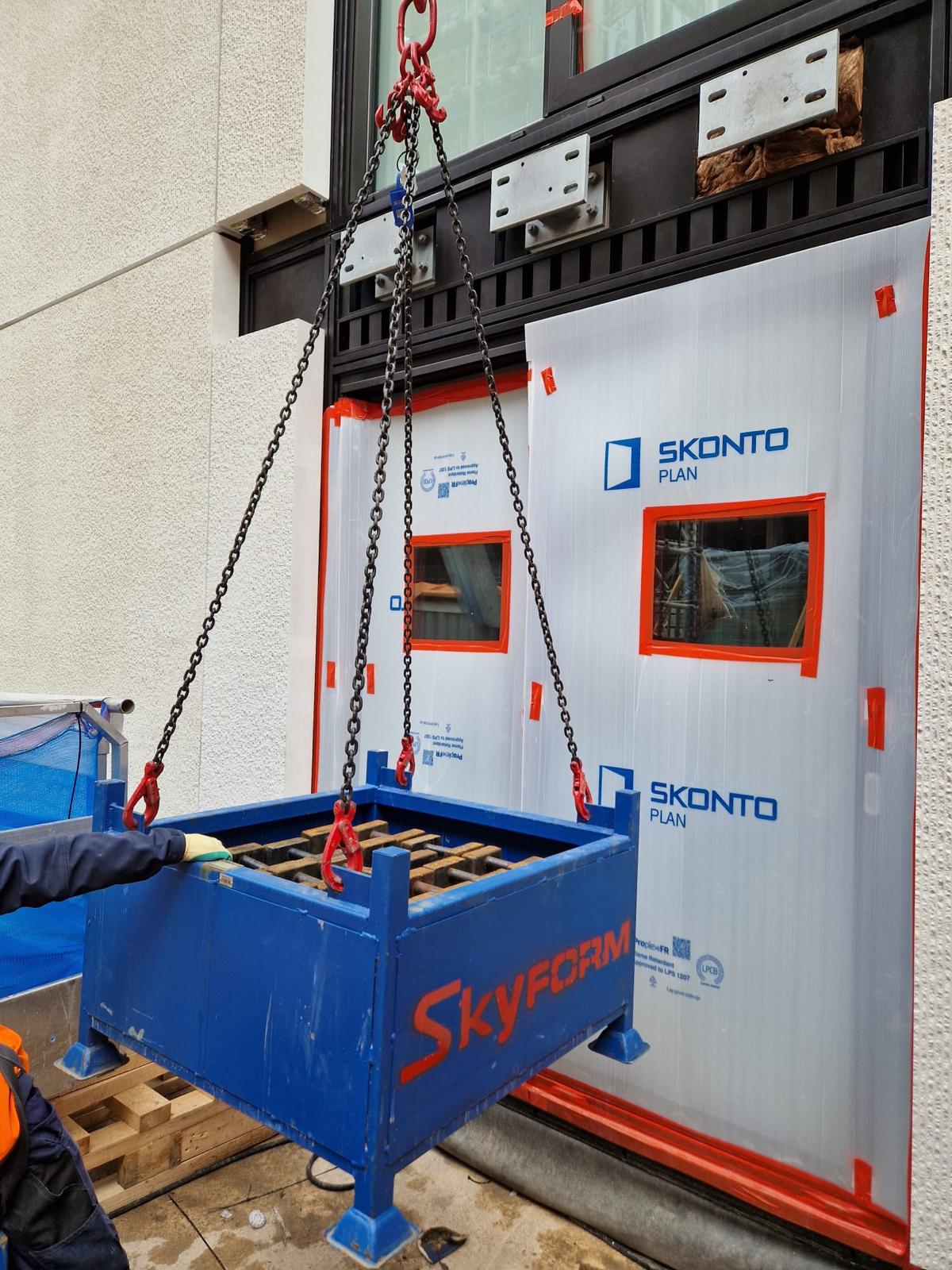
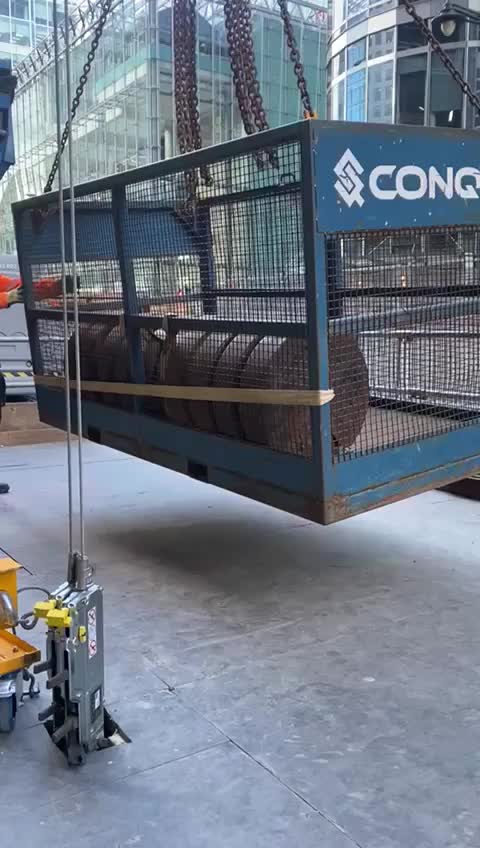
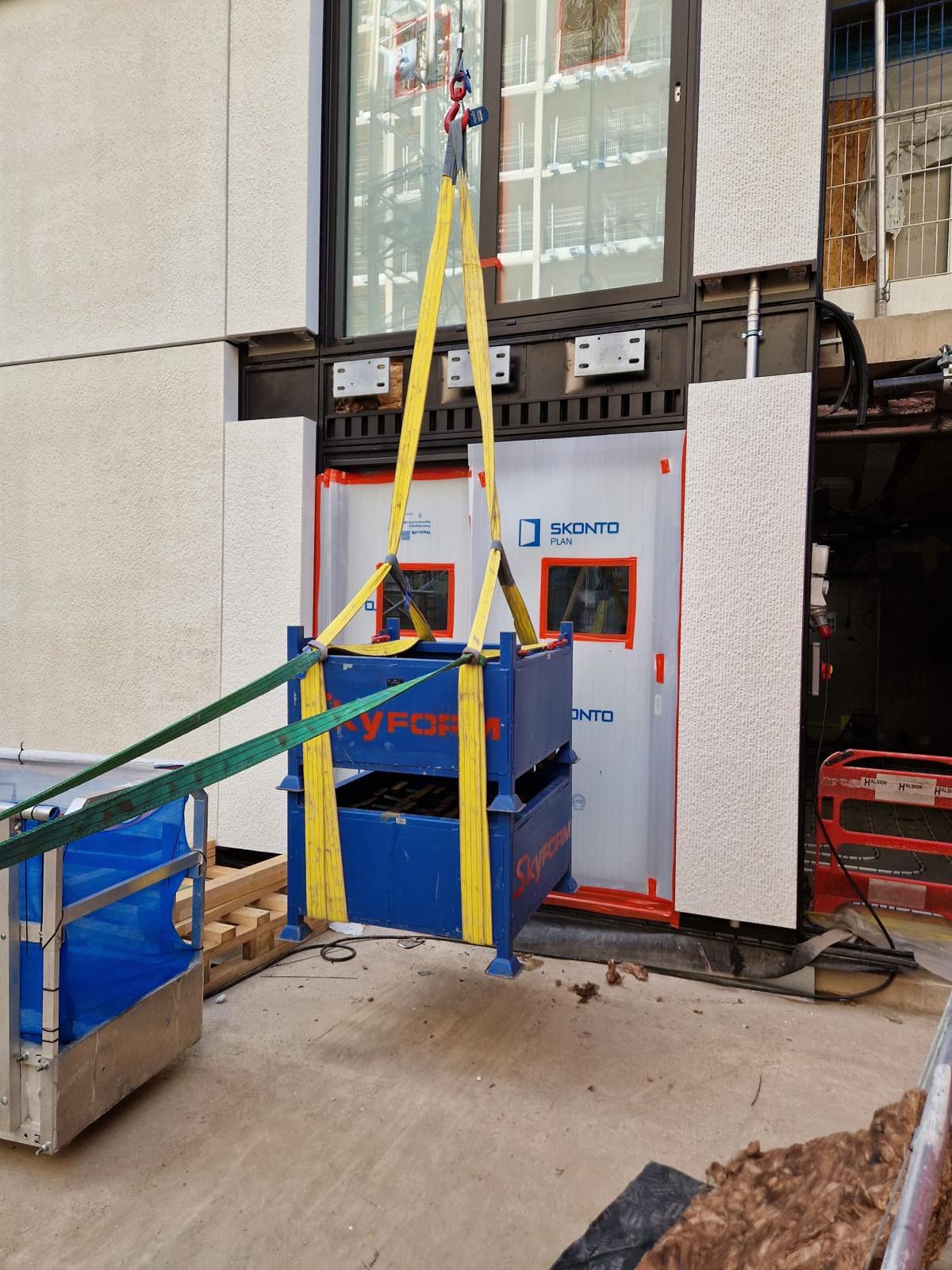
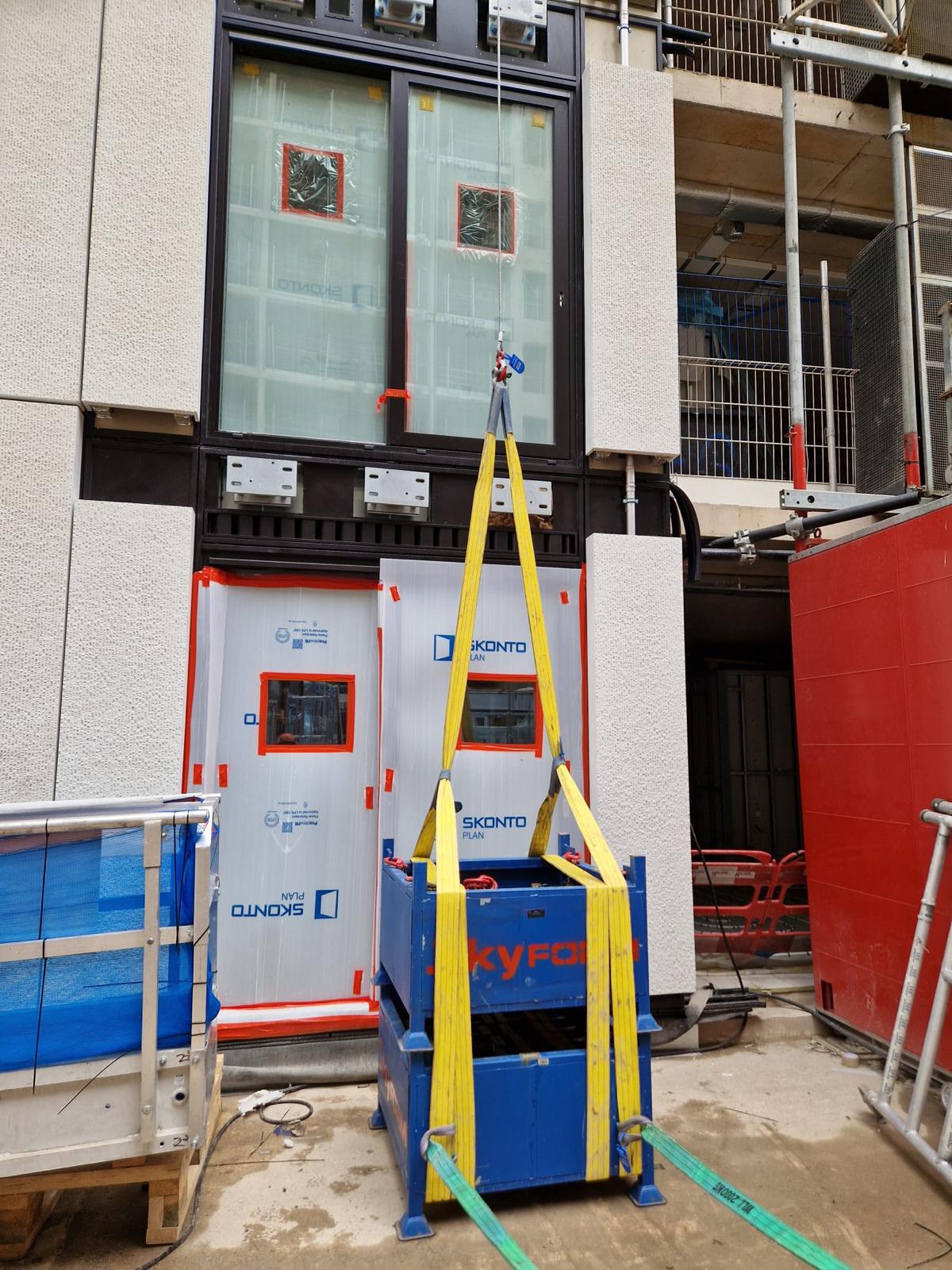
A load test is a vital safety procedure designed to validate the strength, stability, and functionality of lifting equipment under actual or simulated working conditions. This process ensures that cranes, hoists, lifting rigs, and other machinery can handle their rated loads safely without failure, structural damage, or unsafe behaviour. By verifying the equipment’s capacity and performance, load testing plays a critical role in accident prevention, operational safety, and regulatory compliance.

This article delves into the importance, key functions, types, and timing of load tests, offering a comprehensive understanding of why they are indispensable for the safe use of lifting equipment.

Key Functions of a Load Test

A load test serves several critical purposes to ensure lifting equipment performs reliably and safely.

Verifying Load Capacity

The primary purpose of a load test is to confirm that the lifting equipment can safely carry the maximum load specified by its manufacturer or design specifications. This includes:

  • Ensuring that the equipment operates correctly at full capacity.
  • Testing performance under overload conditions, typically within a controlled safety margin, to assess how the system handles stress beyond its normal working limits.

Testing Structural Integrity

The structural components of lifting equipment, such as frames, booms, hoist drums, and lifting cables, are subjected to intense forces during operation. A load test evaluates these elements for:

  • Signs of bending, warping, or deformation.
  • Potential weaknesses or vulnerabilities that could compromise the equipment’s structural integrity.

Checking Safety Features

Modern lifting equipment includes various safety mechanisms designed to protect operators and loads. Load testing ensures these features work effectively, including:

  • Overload Protection Devices: Preventing the equipment from operating beyond its safe load limit.
  • Emergency Stop Systems: Allowing operators to halt operations immediately if an unsafe condition arises.
  • Braking Systems: Verifying that the brakes can hold and control the load securely during lifting and lowering.

Assessing Load Distribution

Unevenly distributed loads can lead to tipping, swaying, or excessive wear on specific components. Load testing evaluates:

  • Whether the load remains evenly balanced during lifting operations.
  • How the equipment responds to different load configurations, ensuring stability and safety.

Ensuring System Stability

For cranes and lifting rigs, stability is paramount. Load testing verifies that:
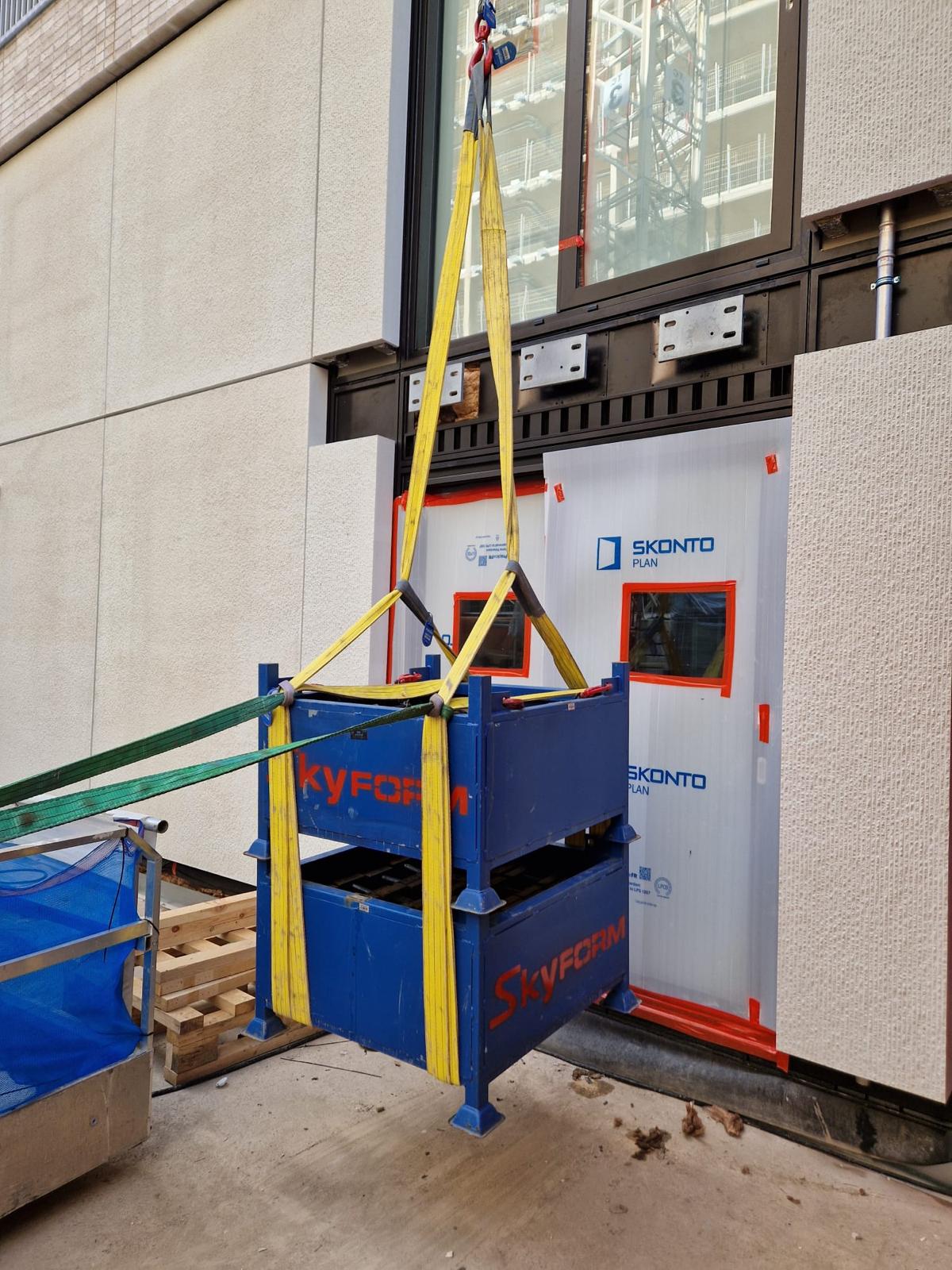
  • The equipment maintains balance even when extended to maximum height or reach.
  • Supporting structures, such as outriggers or foundations, can handle the load without shifting, tipping, or failing.

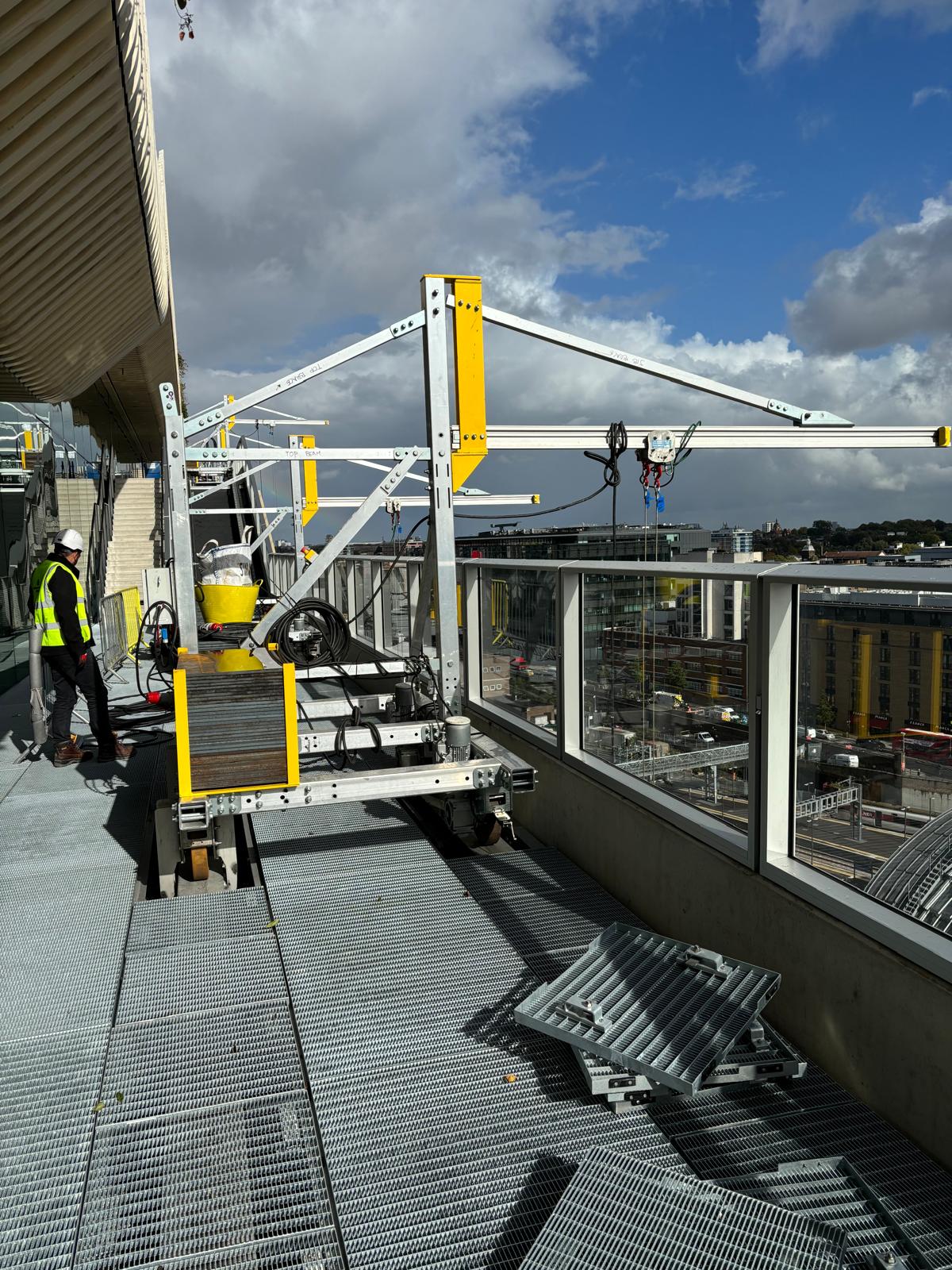
Skyform Limited - Your Trusted Partner in Access Cradle Hire and Load Testing.

Types of Load Tests

Different types of load tests are conducted based on the equipment, operational requirements, and regulatory standards.

  • What It Is: A stationary test where a load is applied to the equipment and held in place for a specified duration.
  • Purpose: To assess the structural integrity and strength of the equipment without introducing movement.
  • Applications: Ideal for testing cranes, hoists, and lifting rigs to verify their load-bearing capacity.
  • What It Is: A test that involves lifting, moving, and lowering a load to simulate real-world operational conditions.
  • Purpose: To evaluate how the equipment performs under dynamic forces, including the effects of motion and speed.
  • Applications: Common for mobile cranes, gantry cranes, and other equipment frequently used in active environments.
  • What It Is: A test that subjects the equipment to a load exceeding its rated capacity, typically 125% of the maximum load.
  • Purpose: To identify any potential failure points or vulnerabilities under extreme stress.
  • Applications: Often required for certification and compliance purposes.
  • What It Is: A test that involves lifting a load close to the equipment’s rated capacity to assess its operational features.
  • Purpose: To confirm the functionality of hoisting speed, stability, control systems, and safety mechanisms.
  • Applications: Suitable for routine checks to ensure equipment remains in optimal working condition.

When Should Load Testing Be Performed?

New Equipment

Before putting new lifting equipment into service, a load test is required to verify that it meets design specifications and can handle its rated capacity.

After Maintenance or Repairs

If the equipment undergoes significant repairs or component replacements, such as new cables or hoist motors, a load test should be performed to ensure that the repairs were successful and the equipment is safe to operate.

After Modifications or Upgrades

Changes to the equipment, such as adding a new winch or modifying the rigging, necessitate a load test to verify that the modifications do not compromise safety or performance.

Periodic Testing

Regulations often require regular load testing to maintain compliance. This is typically conducted annually or after a specified number of operating hours, depending on industry standards. Periodic testing helps identify wear, deficiencies, or potential issues early, preventing costly downtime or accidents.

Why Choose Skyform Limited for Hire and Load Testing?

Reliability

Our equipment is maintained to the highest standards, ensuring reliable performance for your projects

Safety

Comprehensive load testing guarantees the safety and efficiency of our access cradles, giving you peace of mind.

Expert Support

Our team of experts is available to provide guidance and support, ensuring you have the right equipment for your specific needs.

Flexibility

We offer flexible hire options to suit your project timelines and budget, ensuring you have access to top-grade equipment when you need it.

Our Project Gallery

Get in touch with us

Discover how Skyform Limited's Cradle Access Systems can transform your access solutions.

Contact us today at 01474 879990 or via email at access@skyform.com to discuss your project needs and learn more about our bespoke solutions.