
The beauty of modern architecture often lies in its complex and intricate facades—sleek glass windows, towering steel structures, designs that challenge traditional building aesthetics. However, these stunning facades, particularly on skyscrapers, come with an inherent challenge: keeping them clean and ensuring their structural integrity. For years, the process of maintaining the exterior of high-rise buildings has been a dangerous, labour-intensive job requiring skilled workers to hang from ropes, navigate scaffolding or BMU. But now, cutting-edge technologies are making this daunting task more efficient, safer, and eco-friendly. Enter robotic sky wash and robotic sky inspection for facade architecture.
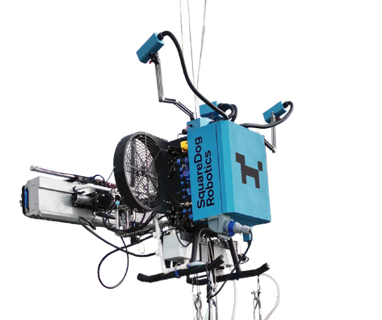
Robot Sky Wash is a revolutionary system that uses robotic machines to clean the facades of tall buildings. This system eliminates the need for human workers to hang from heights, reducing the risks associated with traditional facade maintenance methods. Robots equipped with specialized brushes, cleaning liquids, and water tanks can traverse the exterior of buildings, removing dirt, grime, and pollutants with precision and efficiency.


These robots can operate autonomously, following predetermined paths or responding to remote instructions from operators. They can clean the exterior of buildings without requiring constant human intervention.
Equipped with sensors and cameras, the robots can detect areas that need special attention, such as heavily stained spots or hard-to-reach corners, ensuring a thorough clean across the entire facade.
Many robotic skies wash systems are designed to minimize water usage. Some even use purified water or biodegradable cleaning agents, making the process much more eco-friendly compared to traditional methods that can involve high water consumption and chemical runoff.
By removing the need for human workers to hang from ropes, scaffolding and BMU robotic systems drastically reduce the potential for accidents, which are a serious concern in high-rise maintenance.
Robots can work continuously and much faster than human teams. They can complete cleaning tasks in a fraction of the time, without the need for breaks or safety pauses, thus reducing downtime for the building.
Robot Sky Inspection refers to the use of advanced robotic technology to inspect the facades of buildings for structural damage, wear, or maintenance needs. These robots are typically equipped with a range of sensors, including high-definition cameras, LiDAR (Light Detection and Ranging), ultrasonic sensors, and infrared thermography, to detect cracks, leaks, corrosion, or other issues on building surfaces.


The safety of workers is paramount. High-rise building facades can be hazardous, and despite the advent of harnesses and safety nets, accidents still happen. By utilizing robots, these risks are significantly reduced, ensuring that workers don’t have to operate in dangerous conditions.

With growing concerns over the environmental impact of traditional cleaning and maintenance processes, robots offer a more sustainable alternative. Reduced water usage, eco-friendly cleaning agents, and energy-efficient operations make these technologies a green solution to facade maintenance.

Tall buildings often have intricated and challenging facades, with areas that are difficult to access using traditional equipment. Robotic systems, with their ability to move seamlessly across building surfaces, can access even the most challenging locations, ensuring no part of the facade is left uncleaned or unchecked.

Though the initial investment in robotic systems can be high, the long-term cost savings are considerable. These robots reduce the need for human labour, lower water and chemical costs, BMU acidified costs and minimize the likelihood of expensive repairs due to undetected damage.

As more cities around the world grow taller and urbanize, the demand for high-rise buildings and, by extension, facade maintenance, will only increase. Robotic sky wash and inspection technologies are future-proof, enabling cities to maintain their architectural landscapes safely and efficiently.
Job Reference: